

 When planning a construction project that requires lifting heavy materials or equipment, choosing the right crane is one of the most important decisions you’ll make. While factors such as load weight and lift height often receive the most attention, site conditions play an equally critical role in determining which crane is best suited for the job.
Ground Conditions Matter
Cranes generate significant pressure on the surface beneath them, especially during heavy lifts, making ground position a critical decision.
Soft soil, uneven terrain, recently disturbed ground, or areas with underground utilities may require special planning before a crane can be safely deployed. In some cases, crane mats or additional ground stabilization measures may be necessary to distribute the crane’s weight and ensure safe operation.
A thorough site assessment can identify potential concerns before they create delays or safety hazards.
Available Space on the Job Site
Not every project takes place on a wide-open construction site. Urban environments, industrial facilities, and occupied commercial properties often present space limitations that affect crane selection.
The amount of room available for setup, operation, and maneuvering can determine whether a mobile crane, rough-terrain crane, or another type of lifting equipment is the best choice. Restricted access points, nearby buildings, fencing, and parked vehicles may also influence crane placement and lift planning.
Lift Radius and Reach Requirements
Site conditions directly affect the distance between the crane and the load being lifted. When obstacles prevent the crane from being positioned close to the work area, a larger crane with greater reach may be required.
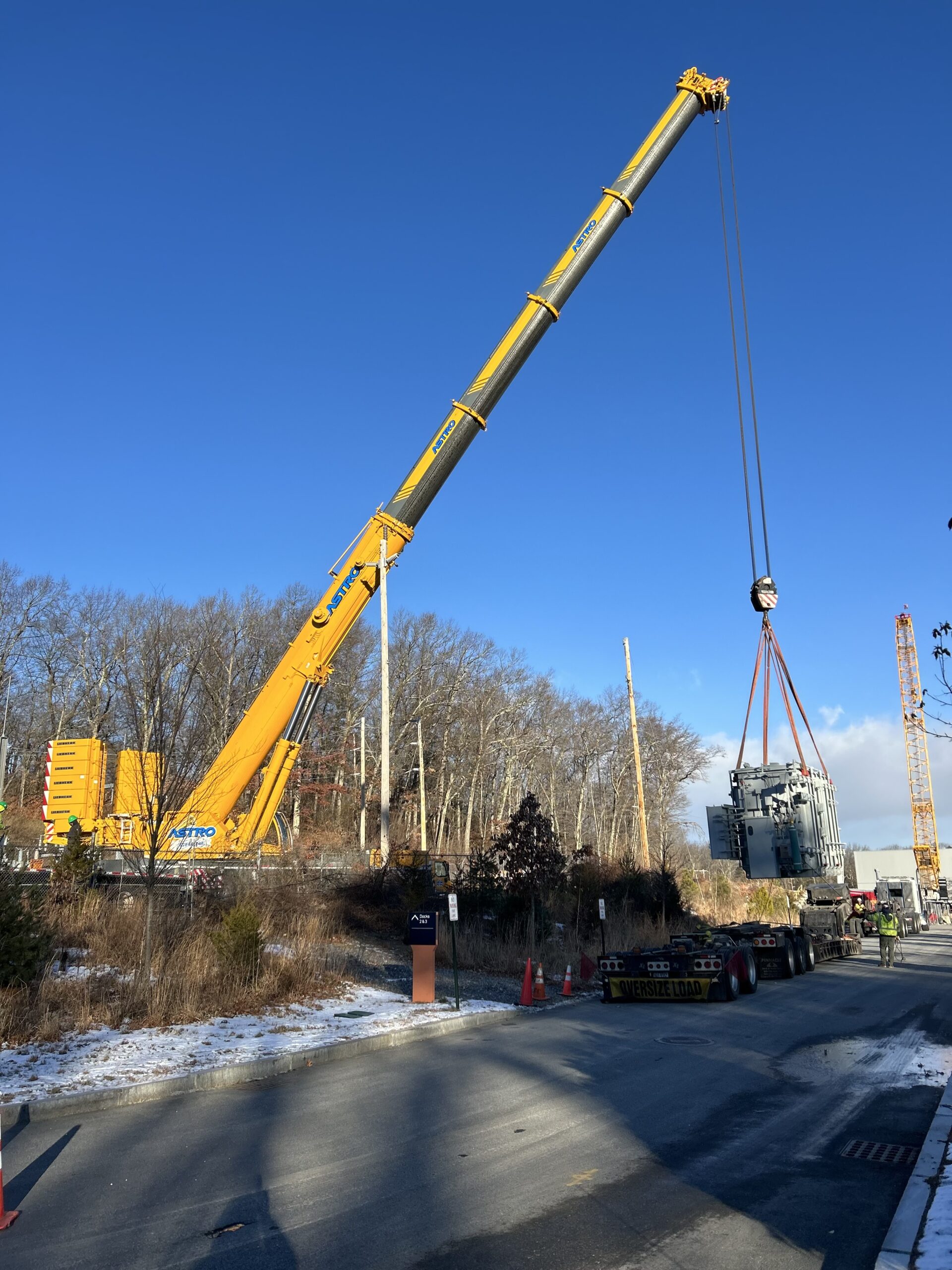
Trees, power lines, existing structures, and ongoing construction activities can all impact lift radius calculations. As the distance between the crane and the load increases, lifting capacity decreases, making proper planning essential.
Overhead Obstacles and Clearance Issues
Every job site contains unique challenges, and overhead obstacles are among the most important to consider. Utility lines, communication cables, tree canopies, building overhangs, and nearby structures can restrict crane movement and boom placement.
Federal safety regulations require specific clearances around power lines, making careful planning critical. Site assessments allow crane professionals to identify potential hazards and develop safe lifting strategies before work begins.
Weather and Environmental Factors
Weather conditions are another important consideration that can influence crane selection and operation. High winds, rain, snow, and ice can impact crane performance and site accessibility.
In New England, changing weather conditions are often a factor during construction projects. Selecting the right crane and planning for environmental conditions can help maintain project schedules while ensuring safe operations.
Projects located near bodies of water, on slopes, or in environmentally sensitive areas may also require additional planning and specialized equipment.
Accessibility for Equipment Transport
Before a crane can perform a lift, it must first reach the job site. Narrow roads, low bridges, steep grades, and limited entry points can affect which crane can be transported and assembled at a location.
Some projects may require smaller cranes that can navigate confined areas, while others may allow larger equipment that offers greater lifting capacity.
The Value of a Professional Site Assessment
Because every construction site is different, there is no one-size-fits-all approach to crane selection. A professional site assessment helps identify potential obstacles, evaluate safety requirements, and determine the most efficient lifting solution.
Experienced crane professionals consider all aspects of the project, including ground conditions, access points, lift requirements, environmental factors, and site constraints. This comprehensive approach helps ensure the selected crane is properly matched to the job.
Partnering with Experienced Crane Professionals
Astro Crane works closely with contractors, project managers, and construction teams to assess site conditions and recommend the most effective crane solutions for each project. With decades of experience serving New England, we understand the unique challenges construction sites can present and the importance of selecting the right equipment for safe, successful lifting operations.
For more information, contact us.